How to Practice Spanish Out Loud When You Live Alone
The biggest gap between "studying Spanish" and "speaking Spanish" is that most self-study happens completely silently — reading, flashcards, listening. None of that trains the actual muscle memory and confidence of producing spoken Spanish under pressure. If you live alone or don't have anyone to practice with daily, here's what actually helps between lessons.
Narrate your own day, out loud, in Spanish. Making coffee? Say what you're doing as you do it: "Ahora pongo el agua a hervir." It feels a little silly at first, which is exactly the point — you're training yourself to produce Spanish without translating from English first, on things simple enough that you already have the vocabulary for.
Talk back to what you're watching. Pause a show or video and answer a question out loud, or predict what a character is about to say. You're not trying to be right — you're training your mouth to physically produce Spanish sounds and rhythm, which is different from understanding them.
Record 60-second voice notes to yourself about anything — what you had for lunch, an opinion about the news, a complaint about the weather. Listen back a day later. You'll hear your own patterns (the tense you overuse, the word you always mispronounce) far more clearly than you ever would in the moment.
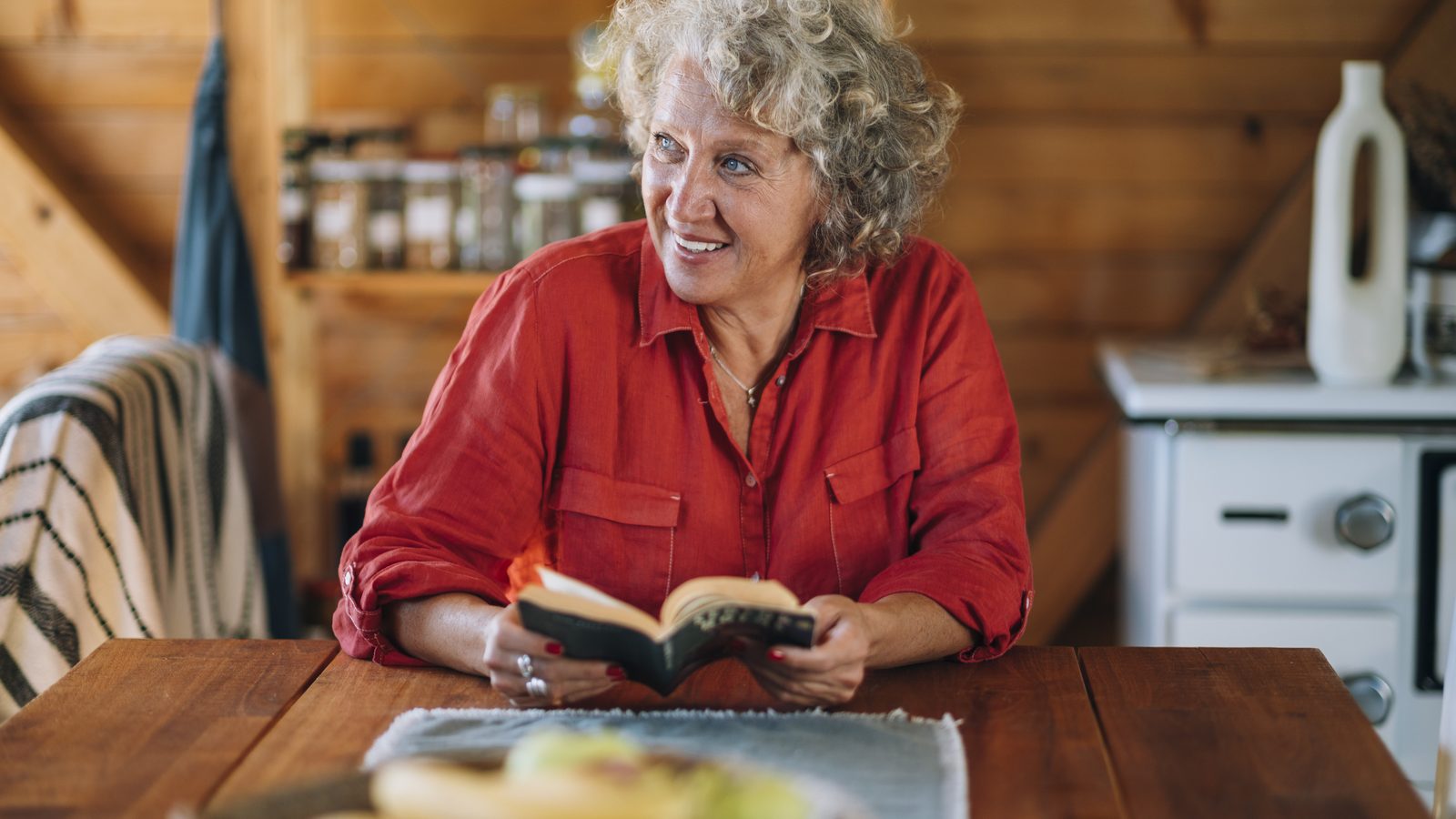
Read dialogue out loud, not silently. A page of a Spanish novel or a comic strip, read aloud, trains your mouth on real sentence rhythm in a way silent reading never will — and it's zero-pressure since there's no one listening yet.
None of this replaces real conversation — it's what keeps your speaking muscles from going cold between lessons, so each session with an actual person starts from a higher baseline instead of rebuilding from scratch. If you want that real conversation partner too, message me on Telegram (@bellawriter).